
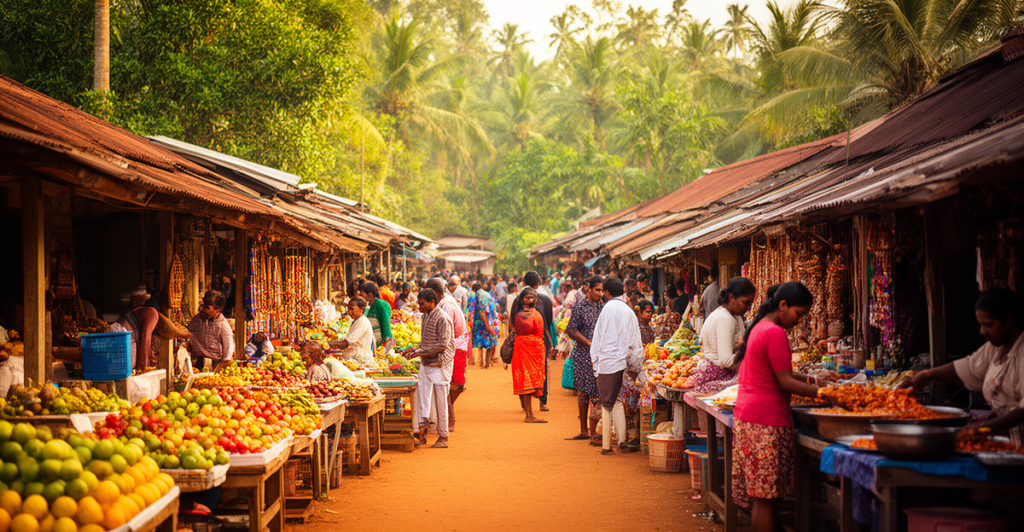
Small and Medium Enterprises (SMEs) play a pivotal role in Sri Lanka’s economic and social development. They represent a vast segment of the national business landscape and are often the first point of access to income and employment for millions across the country.
The impact of SMEs goes far beyond basic commerce. These businesses support rural livelihoods, ensure household nutrition, and contribute to national food security. From smallholder agricultural ventures to local food processors, their influence trickles through every level of society.
As Sri Lanka seeks sustainable growth, understanding the influence of SMEs — particularly in village economies and family well-being — becomes crucial. This article explores how these enterprises are shaping the country’s future.
Whether you’re planning a Sri Lanka trip from Pune or staying at Mango House Galle Sri Lanka, chances are the local economy you’re supporting is driven by thriving SMEs.
Let’s explore how these dynamic businesses touch lives, build resilience, and strengthen the foundation of Sri Lanka’s economy.
SMEs as the Backbone of the Sri Lankan Economy
SMEs make up over 75% of all businesses in Sri Lanka and account for nearly 45% of employment. These figures highlight how central SMEs are to the country’s financial structure.
Their flexibility allows them to adapt quickly to market demands, especially in informal sectors, such as small-scale farming, textile production, and food processing. Their diverse industries help reduce overreliance on a few economic pillars, which is vital for long-term national stability.
- Provide jobs across rural and urban regions
- Involve low capital investment with scalable potential
- Encourage entrepreneurship and innovation
- Support local supply chains and reduce import dependency
Catalysts for Village and Rural Development
In rural Sri Lanka, SMEs are often the only form of organized economic activity. From small grocery stores to eco-tourism ventures like 23 Palms Sri Lanka, they not only provide employment but inject life into villages and townships.
Thanks to SMEs, villagers can supplement agricultural income through small services or production-based enterprises. This diversification plays a critical role in reducing rural poverty and creating new opportunities for youth.
- Reduce rural-to-urban migration by creating jobs locally
- Promote women and youth entrepreneurship in villages
- Support development of rural markets and local tourism
- Allow better access to essential goods and services in remote areas
How SMEs Influence Family Nutrition and Food Security
Many Sri Lankan SMEs operate in the agriculture and food sectors. They produce, process, and distribute nutrient-rich, locally sourced food — a direct contributor to household nutrition.
Food SMEs, such as dairy cooperatives or spice processors, help stabilize local food systems. They offer fresh produce and staples at affordable prices, supporting family diets and reducing the need for imported foods, whose cost is often inflated by hotel taxes or logistics expenses from ports like Colombo or Trincomalee.
- Encourage consumption of fresh, locally grown food
- Create better storage and distribution for perishable goods
- Support school meal programs and local markets
- Build secure local food supply chains less affected by global disruptions
Contributions to Tourism and Hospitality Sector
Sri Lanka’s vibrant tourism industry also benefits from SMEs. Boutique accommodations like Mango House Galle Sri Lanka, and logistics providers offering ferry service to India from Sri Lanka, rely heavily on SME networks.
These businesses personalize tourist experiences, helping boost economic returns beyond major hotel chains such as Araliya Hotels in Sri Lanka. Visitors enjoy authentic settings while indirectly supporting local families and businesses.
- Provide unique and localized tourist experiences
- Help distribute tourism wealth to remote communities
- Offer employment in services, transport, crafts, and hospitality
- Encourage sustainable travel tied to local cultural identity
Challenges and Opportunities for Future Growth
Despite their impact, SMEs face challenges such as limited access to finance, lack of formal training, and regulatory hurdles like navigating Sri Lanka’s hotel tax policies or customs procedures at ports like Hambantota.
Digital transformation, improved business training, and enhanced infrastructure (like ferry connections or better sea port services) offer future opportunities. Encouraging partnerships between public and private sectors can unlock SME growth while ensuring inclusivity and sustainability.
- Financial constraints and lack of collateral for loans
- Limited digital skills and access to online platforms
- Regulatory and operational burdens
- Need for targeted government policy support and incentives
Frequently Asked Questions
An SME in Sri Lanka is typically defined based on annual turnover and number of employees, often categorized into micro, small, and medium businesses.
SMEs contribute by producing, processing, and distributing locally grown food that is affordable and accessible to families around the country.
Yes, several programs offer financial support, training, and market access, though SMEs often need help navigating these systems.
They offer unique accommodations and services, helping tourists experience authentic culture while supporting local economies.
They create jobs, reduce migration to urban areas, and develop local infrastructure and services.
Access to funding, lack of digital literacy, and complex regulations are major challenges for small business owners.
Yes, improved trade and travel routes offer logistics and export opportunities for SME goods and services.