
As Australia continues to lead the way in renewable energy uptake, 2026 is shaping up to be another pivotal year for the solar industry. With advanced technologies, expanding infrastructure, and rising consumer demand, solar energy is playing a central role in Australia’s clean energy future.
From major developments in solar farm projects to innovations in solar panel design, the clean energy landscape is rapidly evolving. Homeowners, investors, and energy professionals alike are watching key trends that will shape decisions in the year ahead.
This article explores the top solar trends in Australia for 2026—highlighting what’s driving growth, what to watch out for, and where opportunities lie for anyone engaged in or exploring the solar energy sector.
Whether you’re evaluating solar for your home or looking at large-scale installations, understanding these trends will provide key insights into where Australia’s solar sector is headed.
1. Growth of Large-Scale Solar Farms
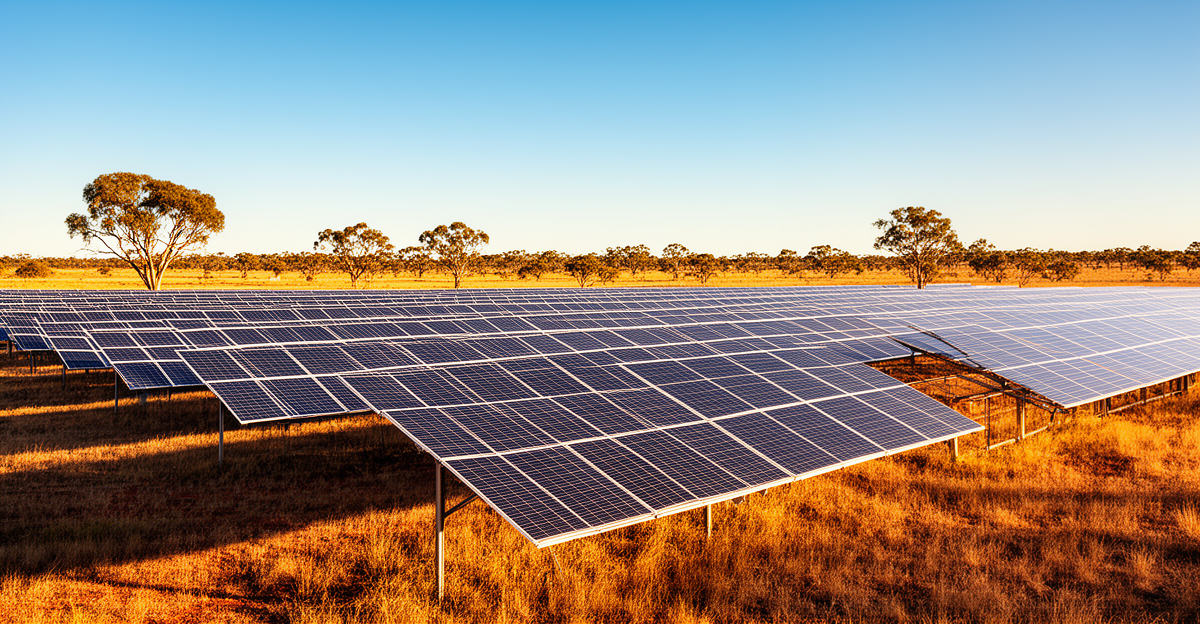
Australia is significantly expanding its solar generation capacity through large-scale solar farms. With increasing demand for grid-connected renewables, multiple new solar projects are being greenlit across the country in 2026.
Queensland continues to lead, with several approved and upcoming developments set to rival existing major sites. These large installations not only support national energy targets but also provide a pathway for transitioning away from coal-fired power.
Many investors are exploring opportunities in this space, particularly as the economics of solar generation become increasingly compelling.
- Queensland solar farm approvals are accelerating in 2026
- Australia’s biggest solar farm projects are under review or construction
- Strong interest in investing in solar farms in Australia due to long-term returns
2. Advances in Solar Panel Technology
New solar panel technology from 2025 is now hitting the commercial and residential markets in 2026. Homeowners and businesses are seeing higher efficiency panels at lower costs thanks to improvements in materials and manufacturing processes.
Brands are focusing on durability, power output in lower light conditions, and smart energy integration with battery systems, which makes solar viable in more locations and rooftops across Australia.
- Panels with improved heat tolerance are ideal for Australian climates
- Top solar panel brands from 2025 now offer 22–25% efficiency rates
- Best solar panels in 2025 are now widely available to consumers
3. Solar Storm Awareness and Grid Resilience
A growing talking point in 2026 is the anticipated increase in solar activity. Scientists around the world are keeping an eye on the solar maximum, expected to peak in 2025–2026, which could result in geomagnetic storms.
While the risk to Australia’s energy systems is considered low, discussions about infrastructure resilience and grid hardening are gaining momentum. Utilities are reviewing protocols to prevent disruptions from solar storm events.
- Solar storm 2026 predictions are prompting energy providers to plan ahead
- The solar maximum 2026 could impact satellite and grid systems
- Backups and smart grid tech are being prioritized for resilience
4. Consumer-Level Upgrades and Protections
As more Australian homes install solar, maintenance and protection are becoming top concerns. One trending topic, particularly in cities like Brisbane, is pigeon proofing of solar panels to prevent damage and energy loss.
Installers are offering integrated pest protection solutions, robust monitoring systems, and extended warranties to ensure long-term solar performance.
- Pigeon proofing solar panels in Brisbane and other cities is rising in demand
- Maintenance upgrades to solar PV systems in 2026 are more common
- Smart monitoring tools now detect losses and performance issues quickly
5. Solar Incentives and Financial Opportunities
Government incentives continue to make solar attractive in 2026. New updates to the solar credit system are boosting access for both residential and commercial installations.
At the same time, more Australians are exploring solar not just as a cost-saving measure but as an investment vehicle through ownership of solar shares or farm participation.
- The solar credit 2026 scheme includes expanded eligibility tiers
- Investing in solar farms in Australia offers long-term sustainable returns
- Solar rebates and tax credits vary by state, so checking official sources is essential
Frequently Asked Questions
Several projects are competing for the title, with Queensland leading new large-scale solar farm developments in 2026. Official rankings are expected later in the year.
The 2026 solar storm is being monitored closely, but the expected impact on Australia’s power grid is currently considered minimal. Utilities are preparing as a cautionary measure.
Yes, panels using 2025 innovations are now widely available, offering higher efficiency, better durability, and smarter integration features.
It’s highly effective. Mesh systems and spacers prevent birds from nesting under panels, which reduces damage and maintains system efficiency—especially useful in places like Brisbane.
Yes. Between falling technology costs, improved efficiency, and government credits, both home systems and solar farms remain attractive investment options.
The solar credit 2026 scheme offers updated incentives, but exact details vary by region. It’s best to check your state’s energy website for current information.
Leading models based on 2025 releases offer 22% or higher efficiency, with strong performance in heat and shade. Look for established brands with local support.