
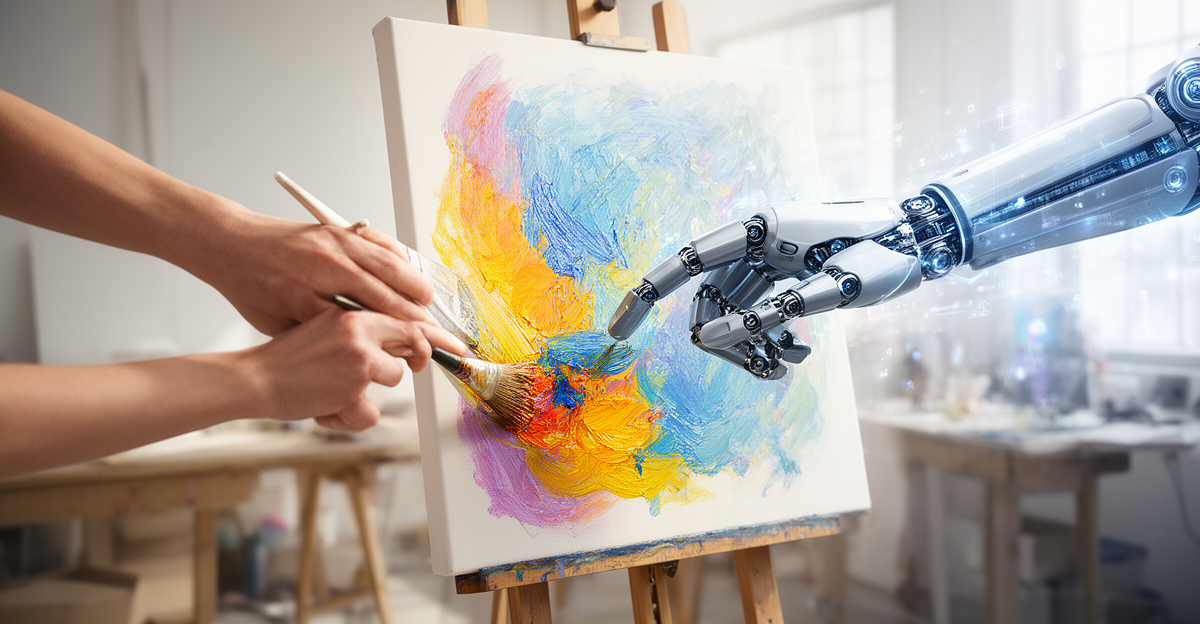
The ethics of AI art is becoming a hot topic as artificial intelligence increasingly shapes creative fields. AI tools now generate paintings, music, and literature, challenging traditional ideas about creativity and ownership.
While AI art brings exciting opportunities for innovation, it also raises complex questions about morality, authorship, and social impact. Understanding these ethical concerns helps artists, audiences, and developers navigate this evolving landscape responsibly.
In this article, we’ll explore the ethics of using AI in art, discuss the frameworks guiding ethical AI development, and consider how bias and governance shape AI-generated creativity.
What Is the Ethics of AI Art?
The ethics of AI art involves examining the moral principles around creating, using, and distributing artwork generated by artificial intelligence. It asks who is responsible for the work and how it affects artists and society.
AI art challenges traditional views on creativity because machines generate outputs based on existing data rather than original human inspiration. This raises questions about authorship and the value of art produced by AI compared to human artists.
An ethics framework for AI art provides guidelines to address concerns like consent, fairness, and transparency. Ethical practice insists on clarity about AI’s role in production and respects creators’ rights.
- Defines moral considerations in AI-generated creativity
- Questions authorship and originality
- Emphasises transparency in AI’s role
Common Ethical Concerns in AI Art
One major concern is bias embedded in AI systems, where training data may reflect stereotypes or unfair practices. This can skew the art produced and reinforce harmful views unconsciously.
Ownership and copyright issues are also debated. When AI uses works from human artists as training data, questions arise about consent and compensation for the original creators.
Additionally, the ethics of generative AI focus on potential misuse, like deepfakes or misleading content that can damage trust and misrepresent reality.
- Bias in AI training data affects outputs
- Unclear ownership rights for AI-generated art
- Risk of misuse through deepfakes or misinformation
Building Ethical AI Frameworks in Art
An ai ethics framework specific to art guides the development and use of AI tools to ensure fairness, accountability, and respect for human creativity.
These frameworks recommend thorough testing for bias, clear disclosure when art is AI-assisted, and involving diverse voices in AI development to avoid narrow perspectives.
Governance of AI in creative fields also promotes policies that protect original artists and users while fostering innovation.
- Test AI systems for ethical issues and biases
- Disclose AI involvement openly to audiences
- Involve varied perspectives in AI tool design
- Support policies protecting artists’ rights
Real-World Applications and Challenges
AI-generated art is increasingly used in advertising, entertainment, and social media, offering new creative methods but also raising questions around manipulation and consumer awareness.
Some creators embrace AI as a tool to augment their work, while others worry it could devalue human artistry or replace jobs.
Navigating the ethics of using AI in these practical contexts requires balancing innovation with respect for human talent and transparency.
- AI aids creativity in marketing and media
- Concerns about AI replacing human artists
- Need for clear communication with audiences
The Future of Ethics and Governance in AI Art
As AI technology advances rapidly, ongoing ethical scrutiny is essential. Organisations like UNESCO have begun formal discussions on ethics and governance of AI to set global standards.
The future involves continuous refinement of ethical guidelines and better public understanding of AI’s capabilities and limits in art.
By building ethics into AI at every stage, we can ensure that creativity flourishes without sacrificing fairness, respect, or accountability.
- Global bodies working on AI ethics policies
- Evolving standards for transparency and fairness
- Public education on AI’s role in creativity
Frequently Asked Questions
AI art involves machine-generated content, which raises questions about authorship, originality, and the use of data, unlike traditional art created solely by humans.
Bias in AI training data can lead to artwork that reflects stereotypes or unfair perspectives, influencing the art’s message and impact.
Ownership often depends on local laws and how much human input was involved; this area is still legally unclear and subject to ongoing debate.
It’s a set of guidelines designed to ensure AI is developed and used responsibly, addressing fairness, transparency, and accountability.
Being clear about AI’s role helps audiences understand the creative process and trust the authenticity of the work.
This is debated; while AI can produce novel combinations, it operates based on existing data rather than original human experience.
Governance introduces policies and standards that protect artists’ rights, guide ethical use, and encourage responsible innovation.
Next Steps
Interested in exploring AI art responsibly? Download our checklist for ethical AI art creation, or read our related guide on AI ethics frameworks to deepen your understanding.