
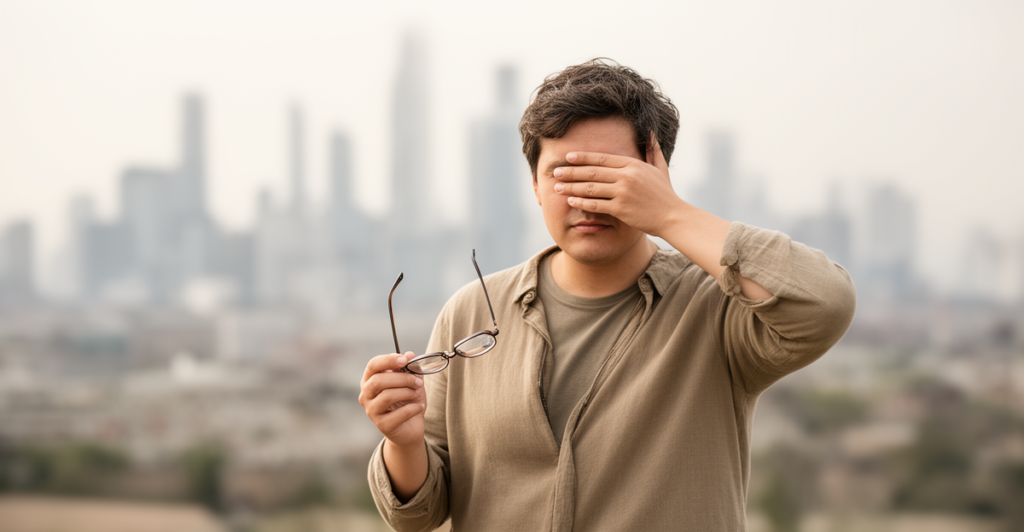
Noticing a sudden or gradual decline in your ability to see things at a distance can be concerning. Whether you’re squinting at road signs or struggling to read presentation slides, issues with long-distance vision can impact daily life and safety.
Understanding what to do when your long-distance vision drops is the first step toward addressing the problem. In many cases, vision problems can be corrected or managed effectively with the right approach.
This article breaks down potential causes, how to check your vision, treatments, and actionable tips to improve your distance sight naturally or medically.
We’ll also share key signs that it’s time to consult an eye doctor to ensure you don’t overlook a more serious issue.
Read on for practical guidance to help you protect and restore your long-distance vision.
Common Causes of Long-Distance Vision Loss
Several factors can lead to reduced clarity when looking at objects far away. Identifying the root cause can make treatment more effective.
Myopia (nearsightedness) is the most common reason for blurry distance vision, especially in younger people. In older adults, changes to the lens or retina may be responsible.
Lifestyle factors like screen strain or environmental issues may also play a role.
- Refractive errors (like myopia or astigmatism)
- Aging-related changes to the eye lens or retina
- Prolonged screen use or digital eye strain
- Chronic eye conditions (e.g. glaucoma, macular degeneration)
- Dry eyes or eye fatigue
How to Check Long-Distance Vision at Home
Regularly checking your distance vision helps catch any early changes. While professional eye exams are best, some simple at-home checks can give you a general idea.
Using standard vision charts or a digital eye test app can help you monitor any decrease in clarity over time.
- Use a printable or digital Snellen chart to test vision from 20 feet
- Cover one eye at a time to compare both eyes
- Keep track of sharpness, squinting, or changes from previous tests
- Test under consistent lighting conditions
When to See a Doctor for Distance Vision Problems
Some vision issues can be harmless or temporary, but others may signal a need for medical attention. Don’t ignore significant or sudden changes.
A qualified eye doctor (optometrist or ophthalmologist) can diagnose and recommend the right correction or treatment.
- Sudden blurriness or complete loss of distant vision
- Difficulty driving safely at night or reading signs
- Frequent headaches or eye strain
- Noticeable differences between each eye’s vision
- Any visual disturbances, such as floaters or flashes
Treatment Options for Reduced Long-Distance Vision
Once the cause is identified, there are several treatment paths available based on the severity and your personal preferences.
Corrective lenses are the most common solution, but modern options include surgery and management of underlying conditions.
- Prescription glasses or contact lenses
- Laser eye surgery (e.g., LASIK or PRK) for refractive errors
- Medication or therapy for underlying eye diseases
- Artificial tear drops if dry eye is a contributing factor
- Nutritional support for overall eye health
Best Eye Exercises to Support Distance Vision
While eye exercises don’t replace glasses or medical treatments, they may help reduce eye fatigue and maintain eye coordination, especially for screen-heavy users.
Consistency is key—doing simple exercises daily can support longer-term eye comfort and focus flexibility.
- 20-20-20 Rule: Every 20 minutes, look at something 20 feet away for 20 seconds
- Distance focusing: Shift focus between near and far objects repeatedly
- Eye rolling to improve circulation
- Palm rubbing (palming) to relax the eyes
- Figure-8 tracking for eye muscle control
How to Improve Long-Distance Vision Naturally
Taking a proactive approach to eye health can preserve and sometimes improve your distance vision over time.
Combining healthy habits with facial awareness of eye strain can make a big difference.
- Eat a nutrient-rich diet (vitamins A, C, E, and zinc)
- Wear sunglasses to protect against UV damage
- Take regular screen breaks and blink often
- Manage blood pressure and blood sugar levels
- Avoid smoking, which harms optic health
Frequently Asked Questions
Sudden blurriness can result from eye strain, dry eyes, or underlying conditions like retinal issues. It’s best to see an eye doctor promptly.
Eat eye-friendly foods, reduce screen time, protect your eyes from UV, and practice focusing exercises regularly.
The 20-20-20 rule, distance focusing, and figure-8 eye movements can help relieve strain and support focusing ability.
If you notice sudden changes, eye pain, or difficulty doing daily activities like driving, see an eye doctor immediately.
No, using glasses doesn’t weaken eyesight. They help correct focus but don’t change your eye’s physical condition.
Blurry road signs, squinting, and frequent headaches may indicate a decline. Regular check-ups can confirm changes.